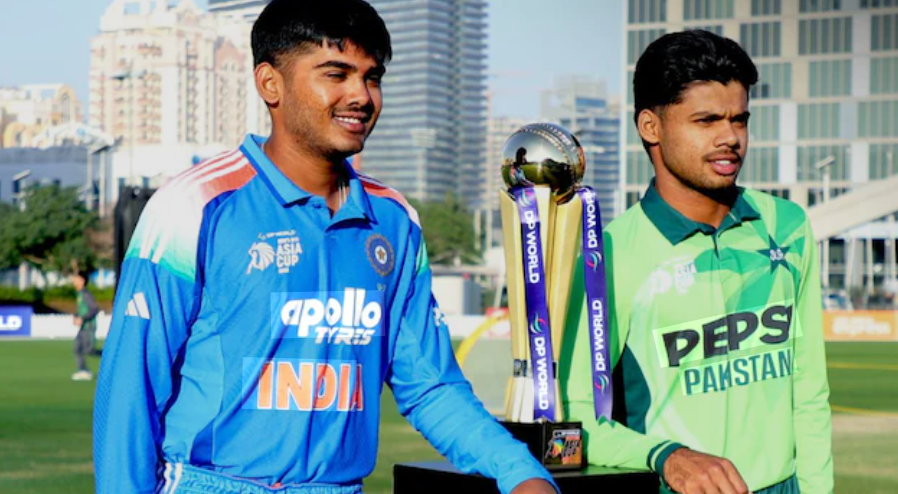
The youth cricket rivalry between these two sides has always carried a special intensity that goes far beyond age-group competition. From the earliest encounters, matches have been defined by pressure, pride, and the desire to dominate on the big stage. Even at the under 19 level, players quickly learn that this fixture demands more than skill alone. It requires courage, discipline, and the ability to handle emotional moments under pressure. Over the years, this timeline has produced unforgettable performances, emerging stars, and turning points that shaped future international cricket. Each match added another layer to a rivalry that continues to grow stronger with every generation.
Latest Matches
Date
Tournament
Venue
Winner
Margin
01 February 2026
ICC U19 World Cup
Bulawayo
India U19
58 runs
21 December 2025
ACC U19 Asia Cup
Dubai
Pakistan U19
191 runs
14 December 2025
ACC U19 Asia Cup
Dubai
India U19
90 runs
30 November 2024
ACC U19 Asia Cup
Dubai
Pakistan U19
43 runs
10 December 2023
ACC U19 Asia Cup
Dubai
Pakistan U19
8 wickets
23 December 2021
ACC U19 Asia Cup
Dubai
Pakistan U19
2 wickets
04 February 2020
ICC U19 World Cup
Potchefstroom
India U19
10 wickets
07 September 2019
ACC U19 Asia Cup
Moratuwa
India U19
60 runs
30 January 2018
ICC U19 World Cup
Christchurch
India U19
203 runs
15 February 2014
ICC U19 World Cup
Dubai
India U19
40 runs
All-Time Head-to-Head Record
Format
Total Matches
India Wins
Pakistan Wins
No Result / Tied
Win Percentage India
Win Percentage Pakistan
Youth One Day Internationals
34
16
17
1
47.05%
50.00%
ICC U19 World Cup
11
6
5
0
54.54%
45.45%
ACC U19 Asia Cup
11
4
6
1
36.36%
54.54%
Bilateral Series / Other
12
6
6
0
50.00%
50.00%
All-Time Batting Leaders
Batsman
Team
Matches
Runs
Highest Score
Average
Sameer Minhas
Pakistan
3
248
172
82.66
Shahzaib Khan
Pakistan
4
221
159
55.25
Salman Butt
Pakistan
5
215
85
43.00
Yashasvi Jaiswal
India
1
105
105
105.00
Shubman Gill
India
1
102
102
102.00
Sanju Samson
India
3
98
68
32.66
All-Time Bowling Leaders
Bowler
Team
Matches
Wickets
Best Bowling
Economy
Anwar Ali
Pakistan
3
9
5/35
3.20
Ali Raza
Pakistan
3
8
4/42
4.15
Zeeshan Zameer
Pakistan
1
5
5/60
6.00
Kuldeep Yadav
India
2
5
3/44
3.80
Ayush Mhatre
India
2
4
3/37
4.40
Kanishk Chouhan
India
2
4
3/18
3.90
Early Foundation of Rivalry
The early phase of youth cricket meetings between these two sides created a foundation built on intensity, pride, and expectation. Young players stepped onto the field already aware of the historical pressure carried by senior teams. Even at the under 19 level, the contests were not just about skill but about proving mental strength. Coaches focused heavily on discipline, while captains tried to balance aggression with control. These early encounters often featured unpredictable performances, where momentum shifted quickly within a few overs. Batters learned to handle pace under pressure, while bowlers developed variations to challenge technically strong opponents. Fielding also became a defining factor as saving runs in tight matches often decided outcomes. Over time, these games began shaping future international personalities who would later carry the rivalry forward at senior level with even greater intensity.
Year
Match Type
Venue
Winner
Key Player
2002
Youth ODI
Colombo
India U19
Batting unit
2004
Youth Test
Lahore
Pakistan U19
Fast bowlers
2006
ODI Series
Karachi
India U19
Top order batter
2008
World Cup Group
Kuala Lumpur
Pakistan U19
All round performance
First Competitive Clash Era
The first competitive era of these youth encounters brought structure and seriousness into what was once seen as developmental cricket. Both teams started investing more in scouting and preparation, identifying young talent capable of performing under pressure. Matches during this period were closely contested, with margins often very small. India focused on building long batting partnerships, while Pakistan relied on early breakthroughs through pace. Tactical awareness started to improve, and captains began making calculated decisions based on pitch conditions rather than instinct alone. This era also introduced the concept of match awareness among young players, teaching them how to pace an innings or defend a low total. These early structured clashes became the blueprint for future tournaments and added a competitive rhythm that defined the rivalry for years.
Year
Match Type
Venue
Winner
Key Player
2010
Youth ODI
Dubai
India U19
Opening batter
2011
Test Match
Karachi
Draw
Bowlers
2012
ODI Series
Bengaluru
Pakistan U19
Spin attack
2013
World Cup Match
UAE
India U19
Captain performance
Batting Evolution India U19
India’s youth batting structure evolved significantly over the years, focusing on technique, patience, and controlled aggression. Young batters were trained to handle both swing and spin effectively, preparing them for international standards early. In high-pressure matches, the top order often played a crucial role in stabilizing innings after early wickets. Middle-order players developed the ability to rebuild partnerships and accelerate when required. Coaches emphasized strike rotation and minimizing dot balls, which helped build pressure on opposition bowlers. Over time, India’s batting depth became one of its strongest assets at the youth level. Even when early wickets fell, lower-order contributions often turned matches around. This adaptability made India a consistent performer in tight games and helped produce several future international stars who carried forward this disciplined batting approach.
Year
Match Type
Venue
Winner
Key Player
2014
Youth ODI
Dhaka
India U19
Top scorer
2016
World Cup
Bangladesh
India U19
Centurion batter
2018
ODI Series
Colombo
India U19
Middle order
2020
Youth Test
Delhi
India U19
All round impact
Bowling Identity Pakistan U19
Pakistan’s youth bowling identity has traditionally revolved around pace, aggression, and reverse swing mastery. Young fast bowlers were trained to attack from the very first over, aiming to unsettle batters with movement and bounce. This aggressive approach often gave Pakistan early breakthroughs, putting opposition teams under pressure. Spin bowling also played a key role in controlling the middle overs, especially in subcontinental conditions. Pakistan’s ability to produce wicket-taking spells at crucial moments made them dangerous in tight matches. Even when defending low totals, bowlers showed resilience and tactical discipline. Coaches focused on developing raw talent into structured match performers, ensuring that bowlers could adapt to different conditions. This bowling strength often balanced out batting inconsistencies and kept Pakistan competitive in major youth tournaments.
Year
Match Type
Venue
Winner
Key Player
2013
Youth ODI
Lahore
Pakistan U19
Fast bowler
2015
World Cup
UAE
Pakistan U19
Spinner
2017
ODI Series
Sharjah
Pakistan U19
Pace attack
2019
Youth Test
Karachi
Pakistan U19
Bowling unit
ICC Tournament Pressure Games
ICC youth tournaments brought a completely different level of pressure to these encounters. Knockout matches often decided the direction of entire campaigns, and players had to perform under intense scrutiny. Captains were tested on their decision-making abilities, especially in field placements and bowling changes. Batters faced disciplined bowling attacks, where every run mattered. Fielding standards also improved significantly during these tournaments, with direct hits and diving saves becoming common. These matches often produced low-scoring thrillers where bowling units dominated. The emotional intensity was higher due to crowd presence and national expectations. Many young players who performed in these games later became key figures in senior international cricket. These ICC clashes remain some of the most memorable chapters in youth cricket history.
Year
Match Type
Venue
Winner
Key Player
2012
World Cup Semi
Australia
Pakistan U19
Bowler spell
2014
World Cup Group
UAE
India U19
All rounder
2016
World Cup Final
Bangladesh
India U19
Captain
2018
Knockout Match
New Zealand
India U19
Batting unit
Modern Tactical Shifts
In modern youth cricket, tactical evolution has transformed how both teams approach matches. Data analysis, fitness standards, and structured planning now play a major role in preparation. Batters are encouraged to play more aggressive shots early in the innings, while bowlers focus on variations such as slower balls and cutters. Powerplay strategies have become crucial, with teams aiming to dominate the first ten overs. Fielding setups are now more flexible, adapting quickly to game situations. Coaches rely heavily on video analysis to identify opposition weaknesses. This modern approach has made matches more competitive and unpredictable. The gap between teams has narrowed due to improved training methods, making every encounter a closely fought contest.
Year
Match Type
Venue
Winner
Key Player
2021
Youth ODI
Abu Dhabi
India U19
Tactical captain
2022
World Cup
West Indies
India U19
Batting star
2023
ODI Series
Colombo
Pakistan U19
Bowling impact
2024
Youth Test
Dubai
India U19
All round show
Legacy and Future Pipeline
The legacy of these youth encounters extends far beyond match results. Many players who competed in these games went on to represent their senior national teams and become global cricket stars. The rivalry helped shape mental toughness, tactical awareness, and competitive spirit at an early stage. It also strengthened cricket development systems in both countries, encouraging investment in academies and coaching structures. The future pipeline remains strong, with new talents emerging every year. These matches continue to serve as a testing ground for future international performers. The rivalry is expected to remain intense, with each generation adding new chapters to its history. Its influence on cricket culture in both nations remains significant and long lasting.
Year
Match Type
Venue
Winner
Key Player
2019
Youth ODI
India
India U19
Top order
2020
World Cup
South Africa
India U19
Bowler
2023
ODI Series
UAE
Pakistan U19
All rounder
2025
Youth Test
Sri Lanka
India U19
Captain
Conclusion
This long-standing youth rivalry has consistently acted as a foundation for future international cricket battles. The matches have not only showcased talent but also revealed how young players respond under extreme pressure and expectations. From early contests to modern tactical clashes, every era has contributed to shaping future stars and strengthening cricketing systems in both nations. The intensity, emotions, and competitive spirit seen in these encounters highlight why this fixture remains one of the most followed at the youth level. Its legacy continues to influence players who eventually step onto the senior international stage with greater confidence and experience.