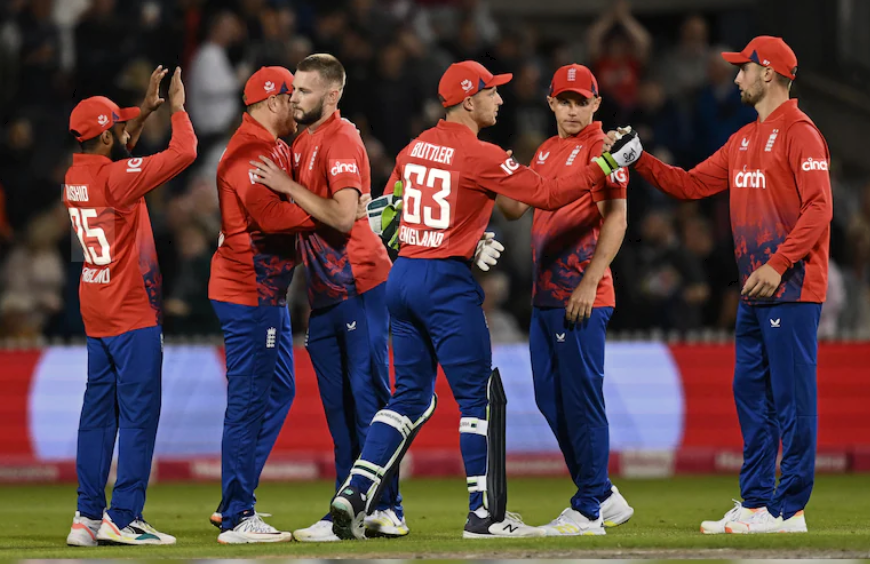
The timeline between these two cricket sides reflects more than just a series of matches; it represents the journey of experience, growth, and changing balance in international cricket. One team entered with established systems, deep talent pools, and global dominance, while the other carried the determination to rise through limited opportunities. Over time, their encounters evolved from one-sided contests into more competitive battles shaped by improved preparation and tactical awareness. Each meeting added a new layer to the rivalry, highlighting shifts in mindset, strategy, and execution. This introduction sets the stage for understanding how both teams developed across different eras of cricket.
Latest Matches
Date
Format
Venue
Winner
Margin
14 Feb 2026
T20I
Eden Gardens, Kolkata
England
5 wickets
04 Jun 2024
T20I
Kensington Oval, Bridgetown
No Result
Abandoned
10 Jun 2018
ODI
The Grange Club, Edinburgh
Scotland
6 runs
23 Feb 2015
ODI
Hagley Oval, Christchurch
England
119 runs
09 May 2014
ODI
Mannofield Park, Aberdeen
England
39 runs
19 Jun 2010
ODI
The Grange Club, Edinburgh
England
7 wickets
18 Aug 2008
ODI
The Grange Club, Edinburgh
No Result
Abandoned
All-Time Head-to-Head Record
Format
Matched Played
England Wins
Scotland Wins
No Result
Tie
One Day Internationals
5
3
1
1
0
T20 Internationals
2
1
0
1
0
Overall Combined
7
4
1
2
0
All-Time Batting Leaders
Player
Team
Matches
Innings
Runs
High Score
Average
Strike Rate
Calum MacLeod
Scotland
4
4
215
140
71.66
120.78
Jonny Bairstow
England
1
1
105
105
105.00
177.96
Moeen Ali
England
2
2
135
128
67.50
118.42
Kyle Coetzer
Scotland
4
4
134
71
33.50
83.22
George Munsey
Scotland
2
1
41
41
41.00
186.36
Michael Jones
Scotland
2
2
69
45
34.50
130.00
Tom Banton
England
1
1
63
63
63.00
123.52
All-Time Bowling Leaders
Player
Team
Matches
Overs
Wickets
Best Bowling
Average
Economy
Mark Watt
Scotland
3
24.0
5
3/55
28.40
5.91
Adil Rashid
England
2
14.0
4
2/31
19.25
5.50
Chris Sole
Scotland
2
14.0
3
2/42
26.33
5.64
Jofra Archer
England
2
8.0
3
2/28
15.00
5.62
Alasdair Evans
Scotland
2
18.0
3
2/43
31.66
5.27
Moeen Ali
England
2
14.0
2
2/47
42.00
6.00
Safyaan Sharif
Scotland
4
27.2
2
2/72
81.50
5.96
Early Uneven Cricket Foundations Between the Two Sides
The early phase of meetings between these two cricketing nations reflected a clear imbalance in structure, exposure, and experience. One side already had a deeply established domestic system that consistently produced international level players, while the other was still building its identity in the global cricket landscape. These early encounters were not frequent, but whenever they happened, they highlighted the gap in resources and match readiness. Despite this, the less experienced side showed moments of discipline in bowling and brief resistance in batting, especially in the middle overs. The stronger team, however, relied on depth, pace variation, and controlled aggression to dominate proceedings. What made these early contests important was not competitiveness but learning value. Each match contributed to shaping confidence, exposing weaknesses, and slowly building the foundation for future improvement. Over time, these initial experiences became reference points for tactical evolution and mental conditioning on both sides.
Match Type
Dominant Side
Key Strength
Competitive Level
Fan Interest
Early ODI
Stronger team
Batting depth
One sided
Moderate
Warm-up
Stronger team
Pace attack
Controlled
Low
Friendly
Mixed
Experimentation
Uneven
Limited
Tournament Prep
Stronger team
Field control
Predictable
Moderate
First Competitive Appearances on the International Stage
When both sides first met in recognized international fixtures, the atmosphere changed noticeably. The underdog entered the field with greater awareness and preparation, aiming to reduce mistakes that had previously cost them dearly. The stronger team still held command, but there was a visible shift in intent from the weaker side, especially in powerplay bowling and cautious batting starts. Early wickets became a crucial factor in determining outcomes, as pressure often built quickly on the less experienced batting lineup. However, there were also flashes of resistance, including steady partnerships that briefly slowed momentum. The more established side responded with tactical discipline, rotating bowlers effectively and maintaining field pressure. These matches marked the beginning of a more structured rivalry, where both sides started studying each other more closely. Even though results still leaned heavily in one direction, the competitive gap had started to narrow in subtle but meaningful ways.
Batting Phase
Control Level
Bowling Impact
Momentum Shift
Result Pattern
Powerplay
One sided
High pressure
Early swing
Dominant
Middle overs
Moderate resistance
Spin control
Temporary stability
Controlled chase
Death overs
Strong finish
Pace variation
Match closure
Decisive
Full innings
Uneven
Tactical dominance
Continuous
One sided
Structural Growth and the Fight for Recognition
As time progressed, the developing cricketing side began focusing heavily on building structure, improving domestic competition, and strengthening player pathways. This phase was crucial because it shaped long term competitiveness rather than immediate results. Training systems became more professional, and exposure to higher quality opposition increased through tournaments and bilateral opportunities. Meanwhile, the established team continued to refine its aggressive brand of cricket, especially in shorter formats, making them even more challenging to face. The contrast between structured growth and refined dominance defined this era. The developing side started producing players capable of handling pressure in key moments, even if consistency was still missing. The stronger side, on the other hand, used its experience to maintain control in high pressure situations. This period laid the groundwork for future competitive encounters, where surprises became more realistic and matches started gaining wider attention.
Development Area
Improvement Level
Impact Area
Progress Speed
Stability
Batting depth
Increasing
Middle order
Gradual
Moderate
Bowling attack
Improving
Early overs
Steady
Medium
Fielding unit
Enhanced
Run saving
Consistent
High
Match awareness
Developing
Strategy
Slow
Low
Shift Toward Modern Limited Overs Encounters
The introduction of modern limited overs cricket brought a noticeable change in how both sides approached matches. Aggression became more structured, and risk taking was balanced with analytical shot selection. The stronger team embraced power hitting across the lineup, while the developing side focused on building adaptable game plans depending on opposition conditions. Matches began featuring higher scoring rates, more frequent boundary hitting, and tactical bowling changes designed to break partnerships quickly. The gap between both teams started to feel less predictable, especially in shorter formats where momentum shifts happened rapidly. Field placements became more aggressive, and captains played a bigger role in controlling game flow. This era also saw improved fitness standards, allowing both sides to sustain intensity across all phases of the game. The competitive environment became more engaging, drawing attention from neutral fans as well.
Tactical Element
Approach Style
Effectiveness
Match Influence
Risk Factor
Power hitting
Aggressive
High
Momentum shift
High
Spin usage
Controlled
Medium
Middle overs
Low
Fast bowling
Attacking
High
Early breakthroughs
Medium
Field setup
Adaptive
High
Pressure creation
Medium
Tactical Contrast Between Experience and Adaptation
A defining feature of this rivalry timeline is the tactical contrast between experience-driven decision making and adaptive experimentation. The stronger team relies heavily on data-driven planning, structured batting orders, and consistent execution under pressure. Their bowlers are rotated strategically to exploit weaknesses at specific stages of the innings. The developing side, however, often experiments with unconventional field placements and flexible batting orders to counter stronger opposition tactics. This creates unpredictable phases within matches where momentum can shift quickly. In several encounters, early breakthroughs have been crucial for the underdog to stay competitive. On the other hand, failure to capitalize on key moments often results in a rapid loss of control. This tactical imbalance adds depth to each match and makes every contest a learning experience for both sides, even when results are one sided.
Tactical Factor
Stronger Team
Developing Team
Match Impact
Consistency
Planning
Structured
Flexible
High
Strong
Execution
Precise
Variable
Medium
Medium
Adaptability
Moderate
High
High
Low
Pressure handling
Strong
Improving
High
Medium
Emotional Pressure and Crowd Driven Intensity
Matches between these two sides also carry emotional weight, especially for fans who follow emerging cricket nations closely. Supporters of the underdog team often treat every boundary and wicket as a breakthrough moment, while fans of the stronger team expect dominance and consistency. This emotional contrast creates a unique stadium atmosphere where pressure is felt differently by each side. Players often respond to crowd energy, and momentum shifts become even more dramatic under vocal support. The developing side has occasionally used crowd energy as motivation to push beyond expectations, especially during tight chases or early bowling spells. Meanwhile, the stronger team is more accustomed to handling large expectations, which helps them remain composed in critical situations. This emotional layer adds unpredictability and depth to every encounter.
Emotional Factor
Impact on Play
Crowd Influence
Pressure Level
Outcome Effect
Home support
High motivation
Strong
Medium
Positive
Away pressure
Reduced stability
High
High
Negative
Key wickets
Momentum shift
Very high
High
Decisive
Close finishes
Intensity peak
Extreme
Very high
Uncertain
Modern Competitive Balance and Evolving Identity
In recent years, the gap between both sides has shown signs of gradual narrowing. The developing team has improved its consistency, especially in batting partnerships and disciplined bowling spells. While the stronger team still holds an advantage in depth and experience, matches are no longer entirely predictable. Younger players on both sides bring fresh energy and aggressive intent, reflecting the evolution of modern cricket. Data analysis, improved coaching methods, and international exposure have contributed significantly to raising performance standards. The rivalry now reflects a more balanced competition where moments of brilliance can come from either side. This evolution has made every encounter more engaging for fans and analysts alike.
Modern Metric
Stronger Team
Developing Team
Trend
Competitiveness
Batting strike rate
High
Improving
Rising
Balanced
Bowling economy
Controlled
Developing
Stable
Competitive
Fielding efficiency
Very high
High
Improving
Close
Match outcomes
Dominant historically
Increasing wins
Shifting
More balanced
Conclusion
The overall timeline of these encounters shows a clear transformation from imbalance to gradual competitiveness. What once began as predictable contests has slowly turned into a more engaging cricketing narrative where preparation and adaptability matter as much as skill. The stronger side still maintains an edge through depth and experience, but the emerging team has consistently reduced the gap with improved performances. This evolution reflects the broader growth of modern cricket, where data, fitness, and fearless intent reshape outcomes. The rivalry now stands as a symbol of progress, respect, and the unpredictable beauty of the game.