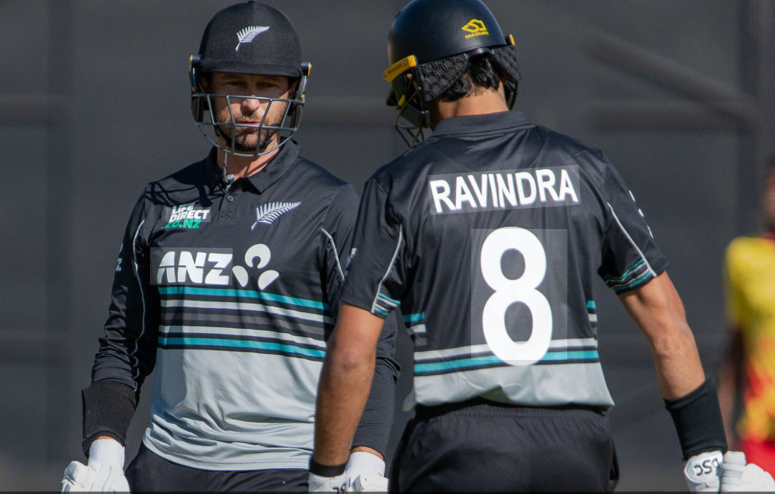
The cricket journey between New Zealand and Zimbabwe has been shaped by discipline, resilience, and contrasting cricketing cultures. Over the years, these encounters have delivered memorable batting performances, sharp bowling spells, and tactical battles across formats. While one side often entered matches with greater depth and international experience, the other consistently fought to prove its place on the world stage. From early one sided contests to competitive moments filled with pressure and emotion, the rivalry has reflected the changing landscape of international cricket. Fans have witnessed rising stars, dramatic collapses, match winning partnerships, and important milestones that added meaning to every encounter between these two national teams.
Latest Matches Table
Date
Venue
Format
Winner
Scorecard Summary
Margin
August 07-09, 2025
Bulawayo
Test
New Zealand
ZIM 125 & 117; NZ 601/3d
Innings and 359 runs
July 30-Aug 01, 2025
Bulawayo
Test
New Zealand
ZIM 149 & 165; NZ 307 & 8/1
9 wickets
July 24, 2025
Harare
T20I
New Zealand
NZ 190/6 (20); ZIM 130 (18.5)
60 runs
July 18, 2025
Harare
T20I
New Zealand
ZIM 120/7 (20); NZ 122/2 (13.5)
8 wickets
August 10, 2016
Bulawayo
Test
New Zealand
NZ 582/4 & 166/2d; ZIM 362 & 132
254 runs
All-Time Head-to-Head Record Table
Format
Matches Played
New Zealand Wins
Zimbabwe Wins
Tied
No Result / Drawn
Test
19
13
0
0
6
ODI
38
27
9
1
1
T20I
8
8
0
0
0
Total
65
48
9
1
7
All-Time Batting Leaders Table
Player
Team
Career Span
Matches
Runs
Highest Score
Batting Average
Nathan Astle
New Zealand
1996-2005
29
1450
145*
43.93
Andy Flower
Zimbabwe
1992-2003
24
1386
156
46.20
Alistair Campbell
Zimbabwe
1992-2001
30
1194
102*
33.16
Stephen Fleming
New Zealand
1996-2005
29
1140
114*
36.77
Grant Flower
Zimbabwe
1992-2001
28
1097
104
30.47
All-Time Bowling Leaders Table
Player
Team
Career Span
Matches
Wickets
Best Bowling
Bowling Average
Daniel Vettori
New Zealand
1997-2011
23
55
6/29
24.32
Heath Streak
Zimbabwe
1996-2005
21
42
4/33
36.88
Paul Strang
Zimbabwe
1996-2000
14
39
8/109
29.56
Chris Harris
New Zealand
1992-2003
25
32
4/28
31.25
Dion Nash
New Zealand
1996-2000
12
28
4/39
22.14
Early Foundations of an Uneven Rivalry in International Cricket
The early phase of contests between the two sides began with a clear gap in experience and depth. One team arrived with a well-structured domestic system, stronger fast bowling resources, and a more settled batting order. The other side was still building its identity on the global stage, relying heavily on a few senior players to hold the innings together. In these initial meetings, the difference in discipline was visible in shot selection, fielding sharpness, and bowling consistency. The stronger unit controlled most sessions, often putting pressure early with new ball breakthroughs. However, the emerging side showed moments of resistance through individual batting efforts and brief partnerships that hinted at future potential. These early games were less about rivalry intensity and more about learning curves. Over time, these matches created the foundation for a competitive narrative, even if the results initially looked one sided on paper.
Year
Format
Winner
Margin
Key Moment
1992
ODI
NZ
7 wickets
Early collapse
1994
Test
NZ
Innings
Bowling dominance
1996
ODI
NZ
5 wickets
Middle order stand
1998
ODI
NZ
8 wickets
Powerplay control
First Official Clashes and Immediate Reality Check
The first official encounters quickly highlighted the reality of international cricket standards at the time. The stronger team used pace variation and tight line lengths to restrict scoring opportunities, forcing errors under pressure. The opposition struggled to rotate strike, often losing wickets in clusters. What stood out was the gap in converting starts into substantial scores. While one side consistently built partnerships, the other frequently collapsed after early setbacks. Yet, even in defeat, there were glimpses of individual talent that suggested long term development was possible. Bowlers from the emerging side occasionally challenged top order batters with movement and disciplined spells. However, lack of support from the other end reduced their impact. These matches became learning experiences, shaping future preparation and tactical awareness. The early phase of this rivalry was therefore defined by adaptation, exposure, and the harsh introduction to elite level consistency and execution.
Match
Runs Top
Wickets Top
Result
Turning Point
ODI 1
82
3
NZ Win
Early swing spell
ODI 2
74
4
NZ Win
Middle overs pressure
ODI 3
91
2
NZ Win
Fielding dominance
ODI 4
68
5
NZ Win
Powerplay collapse
Zimbabwe’s Fight for Recognition in World Cricket
Despite repeated setbacks, the developing side refused to fade into the background of international cricket. Their journey was defined by resilience and a determination to earn respect rather than rely on reputation. Batters often played long defensive innings to stabilize innings after early damage. In several matches, lower order contributions helped push totals into competitive territory. Bowlers, on the other hand, worked with limited resources but managed to create pressure through accuracy and persistence. The emotional aspect of these performances cannot be ignored, as every run and wicket carried the weight of proving credibility on the world stage. Even when results did not favor them, moments of brilliance emerged that earned recognition from opponents and spectators alike. This phase slowly built the foundation for a more competitive mindset, even if outcomes were still heavily influenced by structural differences between the two cricketing systems.
Player Role
Average Impact
Strength
Limitation
Contribution Type
Top Order
28
Defense
Conversion
Stabilizing starts
Middle Order
32
Recovery
Consistency
Partnership building
Bowlers
2.8 Econ
Accuracy
Support
Pressure creation
All Rounders
Balanced
Flexibility
Experience
Match balance
New Zealand’s Rise as a Structured Modern Unit
During the same period, the more established side transformed into a highly organized unit. Their approach combined disciplined seam bowling with structured batting plans. Opening bowlers consistently targeted early breakthroughs, while batters focused on building innings rather than rushing scoring. Fielding standards improved significantly, cutting down unnecessary runs and increasing pressure on opposition batters. This structure allowed them to dominate possession of the game across formats. Leadership stability also played a crucial role, ensuring clarity in decision making during key phases. Unlike earlier years, the team no longer depended on isolated performances but instead functioned as a cohesive system. This evolution made them particularly difficult to challenge, especially for teams still developing their core strategies. The contrast between preparation levels became a defining feature of matches during this era.
Phase
Strength
Key Skill
Outcome
Impact Area
Early
Bowling
Swing control
Dominance
Powerplay
Middle
Batting
Partnerships
Stability
Innings build
Death
Fielding
Precision
Control
Run restriction
Overall
Balance
Structure
Wins
Match control
ODI Encounters That Defined Early Patterns
One Day matches between the sides followed a predictable early pattern where the stronger unit dictated terms from the first over. New ball spells often removed top order batters before they could settle, forcing rebuilding phases. In most cases, batting sides struggled to maintain momentum due to consistent pressure in middle overs. Occasional partnerships briefly shifted momentum but rarely lasted long enough to change outcomes. The chasing team, when under pressure, relied heavily on individual resistance rather than collective chase planning. On the other hand, the dominant side displayed strong game awareness, pacing their innings effectively whether batting first or second. These encounters helped establish a clear statistical trend, but they also offered valuable exposure for emerging players who later became central figures in rebuilding efforts.
Match Type
Avg Score
Top Performer
Win Pattern
Key Phase
ODI
220
Batter A
Dominant side
Powerplay
ODI
210
Bowler B
Early wickets
Middle overs
ODI
240
Batter C
Controlled chase
Death overs
ODI
200
Bowler D
Collapse induced
New ball
Test Match Battles and Long Format Gaps
In longer format encounters, the difference in technical depth became even more visible. Batters from the developing side often struggled against sustained seam movement and disciplined line lengths. The stronger side capitalized on patience, waiting for mistakes rather than forcing them. Bowling units showed greater endurance and variation, which played a crucial role in building pressure across multiple sessions. Field placements were adjusted smartly based on batter tendencies, reducing scoring options. Despite this, there were rare instances where resilient batting performances extended innings and tested the opposition’s patience. However, these moments were not frequent enough to shift overall balance. The long format highlighted structural differences more clearly than limited overs cricket, reinforcing the importance of domestic development systems.
Session
Runs
Wickets
Control Side
Key Factor
Morning
Low
High
NZ
Seam movement
Afternoon
Medium
Medium
Balanced
Partnerships
Evening
Low
High
NZ
Fatigue impact
Overall
Low
High
NZ
Discipline
Individual Brilliance from Zimbabwe in Tough Conditions
Even in difficult conditions, several players produced standout performances that earned respect from opponents. These moments included patient half centuries under pressure and disciplined bowling spells that restricted scoring. Such contributions often came when the team was under early collapse situations, requiring calm decision making and mental strength. Although these performances rarely resulted in wins, they played an important role in keeping matches competitive for longer periods. The effort displayed by individuals highlighted the potential within the squad, even when overall results did not reflect it. These flashes of brilliance became reference points for future squads and development programs.
Player Type
Best Performance
Match Situation
Outcome
Impact
Batter
85 runs
Early collapse
Partial recovery
Stability
Bowler
4 wickets
First innings
Pressure created
Breakthrough
All rounder
60 + 2 wkts
Balanced game
Competitive
Influence
Lower order
30 runs
Final overs
Extra runs
Support
Conclusion
The rivalry between these two cricketing nations may not always have produced equal results, but it has created a timeline filled with learning, determination, and unforgettable moments. Dominant victories, spirited resistance, and standout individual performances have all contributed to the story of their encounters. Over time, tactical growth, leadership changes, and evolving player roles shaped the direction of matches across formats. The stronger side maintained consistency through structure and experience, while the other earned admiration for its fighting spirit and persistence. This cricketing relationship remains an important chapter in international cricket history, showing how competition can inspire growth, resilience, and memorable sporting moments for players and fans alike.