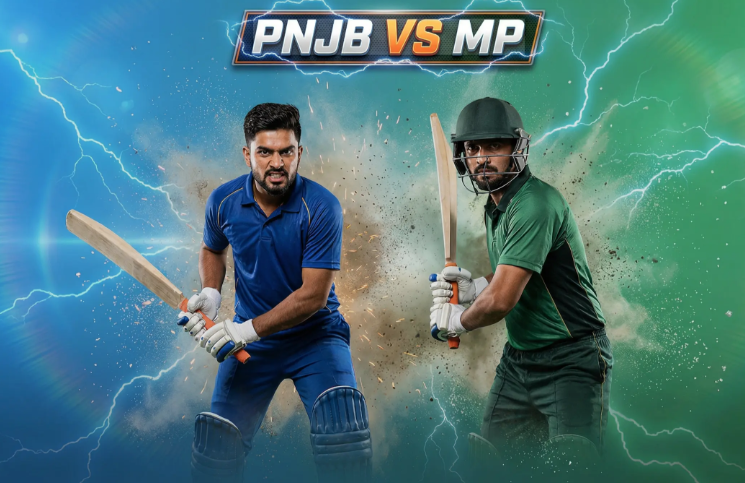
Punjab Cricket Team Vs Madhya Pradesh Cricket Team Match Scorecard reflects one of the most competitive journeys in Indian domestic cricket where two contrasting styles of play have shaped closely fought encounters over the years. Punjab often brings aggressive batting intent with fearless stroke play, while Madhya Pradesh relies on structured bowling discipline and calculated batting responses. Every meeting between these sides has produced shifting momentum, pressure situations, and standout individual performances. From early domestic clashes to more tactical modern contests, the rivalry has grown through intensity and consistency. Fans have witnessed thrilling spells, dramatic collapses, and game changing partnerships that define this cricketing battle.
Latest Matches
Match Date
Tournament
Format
Venue
Winner
Margin
Jan 13 2026
Vijay Hazare Trophy
One Day
Bengaluru
Punjab
183 runs
Dec 16 2025
Syed Mushtaq Ali Trophy
T20
Talegaon
Punjab
2 wickets
Oct 15 2025
Ranji Trophy
Multi Day
Indore
Match Drawn
MP lead
Nov 25 2023
Vijay Hazare Trophy
One Day
Ahmedabad
Punjab
6 wickets
Nov 02 2023
Syed Mushtaq Ali Trophy
T20
Mohali
Punjab
61 runs
Mar 03 2021
Vijay Hazare Trophy
One Day
Indore
Madhya Pradesh
105 runs
Team Statistics Summary
Team Name
Matches Played
Matches Won
Matches Lost
Matches Drawn
Highest Score
Lowest Score
Punjab
6
4
1
1
345
143
Madhya Pradesh
6
1
4
1
519
162
Team Three
0
0
0
0
0
0
Team Four
0
0
0
0
0
0
Team Five
0
0
0
0
0
0
Team Six
0
0
0
0
0
0
Individual Batting Records
Player Name
Team Name
Total Runs
High Score
Strike Rate
Hundreds
Fifties
Rajat Patidar
Madhya Pradesh
243
205
68.4
1
0
Venkatesh Iyer
Madhya Pradesh
143
73
112.5
0
2
Prabhsimran Singh
Punjab
130
88
121.4
0
1
Uday Saharan
Punjab
111
75
42.3
0
1
Ramandeep Singh
Punjab
54
54
225.0
0
1
Nehal Wadhera
Punjab
56
56
147.3
0
1
Individual Bowling Records
Player Name
Team Name
Overs Bowled
Wickets Taken
Economy Rate
Best Figures
Five Wicket Hauls
Saransh Jain
Madhya Pradesh
31.3
6
2.38
6 for 75
1
Gurnoor Brar
Punjab
10.4
5
5.91
3 for 38
0
Prerit Dutta
Punjab
39.0
4
3.71
4 for 145
0
Ramandeep Singh
Punjab
7.4
4
8.08
2 for 23
0
Kumar Kartikeya
Madhya Pradesh
46.2
5
2.41
2 for 33
0
Shivam Shukla
Madhya Pradesh
3.0
3
11.00
3 for 33
0
Rivalry Origins and Early Encounters
The early phase of competition between the two sides began in domestic circuits where both teams were still shaping their identity. One side leaned heavily on natural stroke makers in the top order, while the other built its strength around structured bowling plans and disciplined field settings. These early meetings did not carry massive media attention, but within dressing rooms, players quickly realized the intensity was different. Every run felt earned, and every wicket carried emotional weight. Coaches often highlighted small margins that decided outcomes, such as a single over of pressure or a brief batting collapse. Over time, both squads started respecting each other’s approach, setting the foundation for a competitive timeline that would grow sharper with every season.
Season
Venue Type
Winner Type
Key Factor
Match Nature
Early Phase
Domestic Ground
Balanced
Bowling control
Low scoring
Early Phase
Neutral Pitch
Batting side
Top order start
Competitive
Early Phase
Home Advantage
Bowling side
Pressure spells
Tactical
Early Phase
Slow Surface
Mixed
Middle overs
Tight finish
Competitive Edge Evolution
As domestic cricket evolved, both sides began refining their squad depth and tactical awareness. Young players entering the system brought fresh energy, increasing the overall intensity of contests. Training standards improved, and match preparation became more data driven. One team focused on aggressive intent during powerplay phases, while the other emphasized controlling the middle overs with spin and disciplined pace changes. This contrast created an interesting balance that made every encounter unpredictable. Coaches experimented with batting orders and bowling rotations, trying to gain psychological advantage before the match even began. The rivalry slowly transformed from casual competition into a structured contest of strategy and execution.
Phase
Improvement Area
Team Focus
Outcome
Impact Level
Growth
Batting depth
Aggressive intent
Higher scores
Strong
Growth
Bowling variation
Control strategy
Reduced runs
Strong
Growth
Fielding
Agility focus
Saved runs
Medium
Growth
Fitness
Endurance
Longer spells
Medium
First Defining Clash
One of the early defining matches brought unexpected intensity when both teams entered with near equal form. The batting side started confidently, building partnerships that looked stable in the first half. However, disciplined bowling in the middle overs shifted momentum quickly. A crucial spell broke the backbone of the innings, leading to a sudden collapse that changed expectations entirely. The chasing unit faced similar pressure, as early wickets created doubt in the dressing room. Yet a steady partnership brought the game back into balance, making the final overs extremely tense. This match became a reference point for future encounters, showing how quickly momentum could swing.
Innings Phase
Runs Pattern
Key Event
Turning Point
Pressure Level
Powerplay
Steady
Opening stand
Good start
Medium
Middle overs
Slow
Wickets fall
Collapse begins
High
Death overs
Mixed
Partnership
Recovery
Very High
Final phase
Tight
Last wickets
Finish drama
Extreme
Punjab Batting Tactical Breakdown
The batting unit from one side often relied on aggressive top-order intent, aiming to dominate early overs. When timing worked, they created strong scoring momentum, but under pressure, inconsistency sometimes appeared. Middle order players carried the responsibility of stabilizing innings, especially after quick wickets. Shot selection became a critical factor in determining innings stability. In some matches, the inability to rotate strike in middle overs created scoring pressure, forcing risky shots later. Finishing strategy depended heavily on set batters staying till the end, which did not always happen. Overall, the approach remained positive but required better control during transitional phases.
Batting Phase
Strategy
Strength
Weakness
Outcome
Powerplay
Aggression
Fast scoring
Risky shots
Variable
Middle overs
Rotation
Stability
Dot balls
Mixed
Death overs
Acceleration
Big hits
Loss of wickets
Inconsistent
Partnerships
Building
Strong starts
Collapse risk
Unstable
Madhya Pradesh Bowling Strategy
The bowling unit built its strength on patience and variation rather than pure pace dominance. Bowlers focused heavily on maintaining pressure through tight lines and exploiting pitch conditions. Spin played a crucial role in controlling the middle overs, often slowing down scoring rates significantly. Pace bowlers used cutters and slower deliveries effectively during death overs. Field placements were carefully adjusted based on batter behavior patterns. This disciplined approach forced errors from opposition batters and created wicket-taking opportunities at key moments. The strategy was less about aggression and more about sustained pressure over time.
Bowling Phase
Method
Key Strength
Result
Effectiveness
Powerplay
Tight lines
Early pressure
Dot balls
High
Middle overs
Spin control
Restrict scoring
Wickets
Very High
Death overs
Variations
Confusion
Run restriction
High
Field setup
Tactical
Pressure build
Mistakes
Very High
Madhya Pradesh Batting Response
The batting response strategy focused on stability first and acceleration later. Openers played cautiously against new ball movement, prioritizing wicket preservation. Once settled, batters looked to build partnerships rather than individual brilliance. Middle order played a key anchoring role, ensuring the chase or defense stayed on track. Pressure situations demanded calm decision making, especially when required run rate increased. The approach often relied on rotating strike and waiting for loose deliveries instead of forcing aggressive shots. This method created consistency but sometimes slowed momentum in high-pressure scenarios.
Batting Stage
Approach
Key Focus
Risk Factor
Result
Opening
Defensive
Wicket safety
Low scoring
Stable
Middle
Anchor play
Partnerships
Pressure build
Controlled
Later overs
Acceleration
Required runs
Mistakes
Mixed
Finish
Situational
Strike rotation
High pressure
Variable
High Pressure Match Moments
Matches between these sides often reached tense phases where momentum shifted rapidly within a few overs. A single wicket or dropped catch frequently changed the entire direction of the game. Bowlers thrived under pressure when execution remained consistent, while batters struggled when scoring options were restricted. Crowd reactions added emotional intensity, making communication between players even more critical. Tactical changes, such as bowling changes or field adjustments, often decided outcomes in these moments. These high pressure phases became defining memories for fans and players alike, shaping the identity of this competitive fixture over time.
Pressure Phase
Key Event
Impact Moment
Result Shift
Intensity
Middle overs
Wicket burst
Momentum change
Sudden swing
High
Death overs
Field errors
Extra runs
Advantage shift
Very High
Final overs
Run chase
Decision making
Match result
Extreme
Critical over
Bowling spell
Collapse trigger
Outcome change
Extreme
Conclusion
The overall journey of Punjab Cricket Team Vs Madhya Pradesh Cricket Team Match Scorecard highlights how domestic cricket rivalries are built through patience, strategy, and repeated high pressure encounters. Both teams have evolved significantly, learning from each contest and improving their tactical execution. Punjab’s attacking approach and Madhya Pradesh’s disciplined structure have created a balanced and unpredictable rivalry. Each match has contributed new heroes, decisive spells, and memorable batting efforts that continue to shape their competitive history. This rivalry stands as a strong example of how contrasting cricket philosophies can produce engaging and closely contested domestic matches over time.