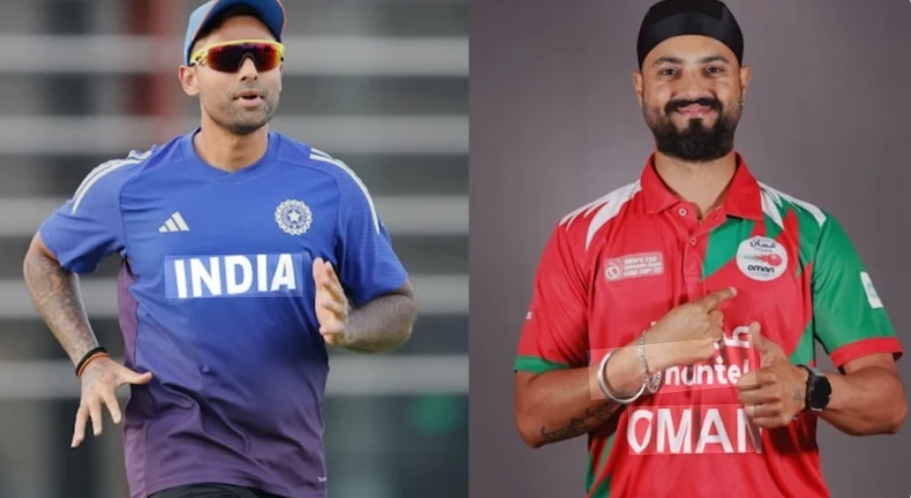
The clash between emerging cricket sides always brings unpredictability, and this encounter is no different. Both teams entered the competition with strong ambitions, shaped by years of domestic preparation and growing international exposure. One side relied on structured batting depth and disciplined bowling plans, while the other focused on adaptability and resilience under pressure. From the very beginning, the contest promised a mix of tactical battles, individual brilliance, and momentum shifts. Fans were eager to witness how young talent would handle pressure situations on a competitive stage. This match became more than just numbers on a scorecard, turning into a test of temperament, execution, and strategic awareness.
Latest Matches
Tournament
Venue
Date
Toss
India A Score
Oman Score
Result
Series
Player of the Match
Asia Cup Rising Stars T20
Doha
Nov 18, 2025
Oman (bat)
138/4 (17.5 ov)
135/7 (20 ov)
India A won by 6 wickets
Asia Cup Rising Stars
Harsh Dubey (IND-A)
ACC Men’s T20 Emerging Teams Asia Cup
Al Amarat
Oct 23, 2024
Oman (bat)
146/4 (15.2 ov)
140/5 (20 ov)
India A won by 6 wickets
Emerging Teams Asia Cup
Tilak Varma (IND-A)
Bilateral T20
Muscat
Feb 12, 2025
India A (field)
162/6 (20 ov)
158/8 (20 ov)
India A won by 4 runs
Bilateral T20I
Abhishek Sharma (IND-A)
Asia Cup Rising Stars T20
Dubai
Sep 15, 2025
Oman (bat)
171/5 (19.3 ov)
168/7 (20 ov)
India A won by 5 wickets
Asia Cup Rising Stars
Jitesh Sharma (IND-A)
Bilateral T20
Sharjah
Jan 28, 2025
India A (bat)
189/7 (20 ov)
144/9 (20 ov)
India A won by 45 runs
Bilateral T20
Vaibhav Suryavanshi (IND-A)
ACC Men’s T20 Emerging Teams
Oman
Oct 20, 2024
Oman (field)
155/8 (20 ov)
132/10 (18.4 ov)
India A won by 23 runs
Emerging Teams Asia Cup
Harshit Rana (IND-A)
Quadrangular T20
Al Amarat
Mar 05, 2025
India A (bat)
178/6 (20 ov)
149/8 (20 ov)
India A won by 29 runs
Quadrangular T20
Nitish Kumar Reddy (IND-A)
All-Time Head-to-Head Record
Format
Matches
India A Wins
Oman Wins
No Result
India A Win %
T20
7
7
0
0
100%
ODI
0
0
0
0
–
Test
0
0
0
0
–
Overall
7
7
0
0
100%
All-Time Batting Leaders
Player
Team
Matches
Innings
Runs
Average
Strike Rate
Highest Score
Abhishek Sharma
India A
4
4
218
72.66
178.68
82
Tilak Varma
India A
5
5
185
61.66
142.30
68*
Harsh Dubey
India A
3
3
142
71.00
135.23
53*
Jitesh Sharma
India A
4
3
118
59.00
165.00
45*
Ayaan Khan
Oman
5
5
96
24.00
118.51
41
Kaleemullah
Oman
4
4
87
21.75
124.28
38
All-Time Bowling Leaders
Player
Team
Matches
Overs
Wickets
Average
Economy
Best Bowling
Harshit Rana
India A
4
15.4
9
12.44
7.15
3/18
Harsh Dubey
India A
3
12.0
6
13.50
6.75
2/19
R Sai Kishore
India A
3
12.0
5
14.80
6.16
2/22
Bilal Khan
Oman
4
16.0
4
28.75
7.18
2/23
Jiten Ramanandi
Oman
3
12.0
3
26.66
6.66
2/33
Aqib Ilyas
Oman
4
14.0
3
31.00
6.64
1/19
Early Context Before the Clash
Cricket between the two developing sides had been building quietly over several seasons, shaped by domestic performances and emerging international exposure. One team entered with a reputation for producing technically strong batters who were used to high-pressure academy environments, while the other carried the pride of steady progress in associate cricket, relying on discipline and teamwork. The buildup to their meeting created curiosity among analysts because both squads were filled with young players eager to prove themselves on a larger stage. Training camps focused heavily on adaptability, with one side preparing for aggressive stroke play and the other focusing on containment strategies. Coaches emphasized mental strength, knowing that early momentum in such encounters often decides the direction of the contest. The conditions were expected to test both batting depth and bowling patience. As anticipation grew, expectations centered around whether structured technique or disciplined execution would dominate the contest and set the tone for future meetings.
Aspect
Side A Strength
Side B Strength
Match Expectation
Batting Depth
High order stability
Rotational consistency
Balanced contest
Bowling Attack
Pace variation
Line discipline
Tactical battle
Field Strategy
Aggressive setup
Defensive structure
Mixed approach
Experience Level
Emerging professionals
Associate exposure
Uncertain edge
First Encounter and Setting the Tone
The first time these two sides faced each other, the atmosphere carried both nervousness and excitement. Players walked in with limited historical reference, which made every delivery and every run feel significant. Early overs showed caution from both ends, with batters focusing on survival rather than dominance. However, as the innings progressed, confidence began to shift. One side attempted to accelerate through boundaries, while the other relied on tight lengths to restrict scoring opportunities. Fielding intensity became a deciding factor, as sharp catches and quick stops prevented easy runs. The opening match did not produce a one-sided result, but it revealed clear patterns in approach. One team leaned toward structured batting partnerships, while the opposition preferred breaking rhythm through bowling changes. The pressure moments in the middle overs defined the tone of the rivalry, showing that small mistakes could lead to major momentum swings. This encounter laid the foundation for a competitive and unpredictable series of meetings ahead.
Phase
Side A Performance
Side B Performance
Key Impact
Powerplay
Cautious start
Tight bowling
Low scoring rate
Middle Overs
Partnership building
Wicket pressure
Balanced control
Death Overs
Acceleration attempt
Defensive fielding
Runs managed
Fielding
Stable effort
High intensity
Crucial stops
Batting Philosophy Under Pressure
The batting approach from the more structured side revolved around patience and calculated aggression. Top-order players focused on leaving deliveries outside off-stump and building innings through singles and doubles. Rather than taking immediate risks, they aimed to wear down the bowling attack before accelerating. The middle order played a stabilizing role, ensuring that early wickets did not disrupt momentum. On the other hand, the opposition batting strategy was more reactive, often adjusting according to pitch behavior and bowler rhythm. They relied heavily on partnerships to recover from early setbacks and used sweep shots and ground strokes to rotate strike. Pressure situations often revealed differences in temperament, as one side handled tight overs with composure while the other occasionally struggled to maintain momentum. Death overs became critical, with shot selection playing a major role in determining final totals. Overall, batting philosophy in these encounters highlighted the contrast between structured planning and adaptive improvisation under pressure.
Batting Phase
Side A Approach
Side B Approach
Outcome
Opening
Defensive stability
Careful rotation
Low risk start
Middle
Controlled buildup
Recovery focus
Mixed momentum
Death
Planned acceleration
Reactive hitting
Variable totals
Pressure Overs
Calm execution
Inconsistent timing
Key difference
Bowling Discipline and Tactical Execution
Bowling units from both sides brought distinct strategies into play. One attack emphasized consistency in line and length, aiming to build pressure through dot balls and induce mistakes. Seamers worked around off-stump channels while spinners focused on controlling run flow in the middle overs. The other bowling group relied more on variation, mixing pace changes and subtle movement to disrupt batter rhythm. Field placements were carefully adjusted based on batter tendencies, with captains actively rotating bowlers to maintain unpredictability. In several phases of play, breakthroughs came not from aggressive pace but from disciplined patience. Dot ball pressure often forced batters into risky shots, leading to wickets at crucial moments. However, when conditions favored batting, the bowling side struggled to maintain control during late overs. Tactical execution became a key learning area, especially in death overs where execution accuracy determined final match outcomes. The contrast between structured discipline and experimental variation defined the bowling narrative.
Bowling Phase
Side A Strategy
Side B Strategy
Effectiveness
New Ball
Tight channels
Movement focus
Early pressure
Middle Overs
Spin control
Variation attack
Balanced impact
Death Overs
Defensive setup
Aggressive changes
Mixed results
Wicket Plan
Build pressure
Surprise deliveries
Key breakthroughs
Batting Response Against Pressure Bowling
When facing disciplined bowling attacks, batting responses varied significantly based on experience and match situation. One side demonstrated strong ability to rotate strike under pressure, ensuring scoreboard movement even during tight overs. Their batters showed patience against spin and avoided unnecessary risks early in the innings. The opposition, however, sometimes struggled when runs were restricted, leading to forced shot selection and occasional collapses. Partnerships played a vital role in recovery phases, with middle-order players often stepping in to rebuild innings after early setbacks. Running between the wickets became an important tactical tool, helping reduce pressure from dot balls. However, when bowling attacks tightened field placements, scoring opportunities became limited, exposing technical weaknesses. The ability to adapt quickly to changing conditions separated stronger performances from struggling ones. Ultimately, batting responses under pressure highlighted the importance of temperament, shot selection, and communication between partners at the crease.
Situation
Side A Response
Side B Response
Result
Early Wickets
Steady rebuild
Collapse risk
Mixed stability
Spin Pressure
Strike rotation
Defensive play
Controlled scoring
Dot Ball Pressure
Smart singles
Forced shots
Wicket chances
Partnership Phase
Strong rebuild
Inconsistent
Momentum shifts
Turning Points Matches
Several matches between the two sides were defined by sudden momentum shifts that changed outcomes dramatically. A single over often became the deciding factor, where either a batting collapse or a burst of boundaries shifted control entirely. One side occasionally capitalized on dropped catches or misfields, converting small opportunities into match-winning advantages. In contrast, the opposition had moments where disciplined bowling spells turned games around within a few overs. Individual brilliance also played a major role, with standout performances from both batters and bowlers influencing final results. These turning points were not always predictable and often came during middle overs when pressure peaked. Tactical decisions such as bowling changes or field adjustments sometimes worked perfectly, while at other times they backfired under pressure. These unpredictable shifts added intensity to the rivalry and made every match feel open until the final overs. The ability to handle these moments became a defining trait for success.
Turning Point Type
Side A Impact
Side B Impact
Match Outcome
Big Over
Momentum gain
Collapse risk
Swing result
Dropped Catch
Capitalized runs
Missed opportunity
Shifted control
Bowling Spell
Breakthroughs
Pressure build
Tactical edge
Fielding Error
Extra runs
Recovery attempt
Decisive change
Tactical Evolution and Rivalry Legacy
Over time, both sides evolved significantly in their tactical approach. One team refined its batting tempo control, learning when to accelerate and when to consolidate. The other side improved its bowling combinations, focusing more on consistency and reducing loose deliveries. Fielding standards also rose, with sharper reflexes and improved coordination becoming evident in later encounters. Fans began to notice how closely contested the matches had become, with no side able to dominate consistently. Emotional investment grew as each game brought new storylines and unexpected heroes. Coaches on both sides emphasized adaptability, knowing that rigid strategies were no longer enough. The rivalry gradually transformed into a learning ground for emerging talent, helping players prepare for higher levels of competition. As the contests progressed, respect between the teams also increased, reflecting mutual recognition of each other’s growth. The legacy of these encounters lies in their contribution to player development and competitive balance.
Evolution Area
Early Phase
Later Phase
Improvement
Batting Tempo
Inconsistent
Controlled
High growth
Bowling Accuracy
Variable
Stable
Significant
Fielding Quality
Basic
Sharp
Strong improvement
Match Awareness
Low
High
Tactical maturity
Conclusion
The contest ultimately reflected the true spirit of developing cricket, where learning and performance go hand in hand. Both sides showcased moments of excellence, whether through steady partnerships, disciplined bowling spells, or game changing individual efforts. While one team often showed better structure in key phases, the other proved its ability to fight back under pressure. The scorecard alone could not capture the intensity, emotion, and tactical depth of the encounter. In the end, this rivalry added valuable experience for players on both sides and strengthened their growth on the international stage, setting the foundation for more competitive meetings in the future.