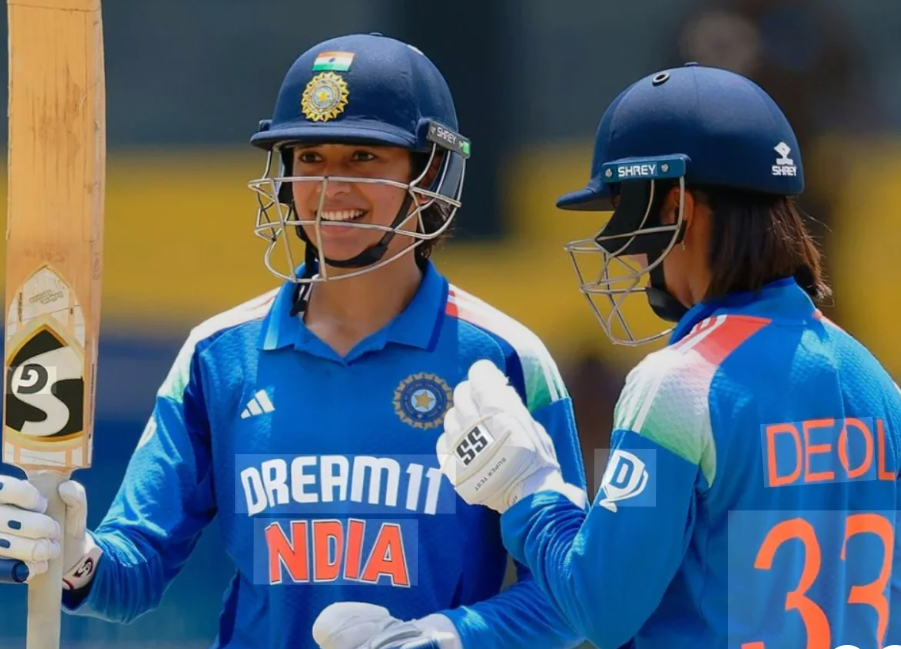
The cricket rivalry between the women’s teams of India and Sri Lanka has grown steadily over the years through memorable matches, emotional moments, and impressive individual performances. What started as one-sided contests gradually became a competitive battle filled with tactical brilliance, fearless batting, and disciplined bowling. Both teams have played crucial matches in Asia Cups, World Cups, and bilateral series, creating unforgettable memories for fans across Asia. Senior legends and young stars have shaped this rivalry with remarkable consistency and fighting spirit. Every encounter reflects regional pride, determination, and the rapid growth of women’s cricket in the subcontinent through intense competition and passionate cricket culture.
Latest Matches Table
Match Date
Format
Venue
Winner
Margin
30 Dec 2025
WT20I
Thiruvananthapuram
India
15 runs
28 Dec 2025
WT20I
Thiruvananthapuram
India
30 runs
26 Dec 2025
WT20I
Thiruvananthapuram
India
8 wickets
23 Dec 2025
WT20I
Visakhapatnam
India
7 wickets
21 Dec 2025
WT20I
Visakhapatnam
India
8 wickets
30 Sep 2025
WODI
Guwahati
India
59 runs
11 May 2025
WODI
Colombo
India
97 runs
04 May 2025
WODI
Colombo
Sri Lanka
3 wickets
27 Apr 2025
WODI
Colombo
India
9 wickets
09 Oct 2024
WT20I
Dubai
India
82 runs
28 Jul 2024
WT20I
Dambulla
Sri Lanka
8 wickets
All-Time Head-to-Head Record Table
Format
Total Matches
India Wins
Sri Lanka Wins
No Result / Tie
Women One-Day Internationals (WODI)
36
32
3
1
Women Twenty20 Internationals (WT20I)
31
25
5
1
Combined International Formats
67
57
8
2
All-Time Batting Leaders Table
Player Name
Team
Match Format
Total Runs Scored
Highest Score
Mithali Raj
India
WODI / WT20I
1324
109 not out
Smriti Mandhana
India
WODI / WT20I
1148
106
Chamari Athapaththu
Sri Lanka
WODI / WT20I
1085
115
Harmanpreet Kaur
India
WODI / WT20I
994
86
Shashikala Siriwardene
Sri Lanka
WODI / WT20I
742
68
All-Time Bowling Leaders Table
Player Name
Team
Match Format
Total Wickets Taken
Best Bowling Figures
Deepti Sharma
India
WODI / WT20I
62
4 wickets for 23 runs
Jhulan Goswami
India
WODI / WT20I
47
4 wickets for 13 runs
Inoka Ranaweera
Sri Lanka
WODI / WT20I
38
3 wickets for 21 runs
Rajeshwari Gayakwad
India
WODI / WT20I
34
4 wickets for 18 runs
Shashikala Siriwardene
Sri Lanka
WODI / WT20I
31
4 wickets for 31 runs
When the Rivalry Quietly Began on Asian Grounds
The first meetings between these two Asian sides carried a calm atmosphere, but the matches slowly built an emotional sporting connection. India entered women’s cricket with stronger domestic experience and a more balanced squad, while Sri Lanka focused on developing young talent capable of competing at the international level. Early contests were often controlled by disciplined Indian bowling attacks and patient batting partnerships. However, Sri Lankan players continued learning through difficult tours and pressure situations. The rivalry became important because every series helped both teams improve technically and mentally. Fans in both nations began paying closer attention as women’s cricket started receiving television coverage and media recognition. Several low-scoring thrillers created dramatic moments that shaped future contests. Senior players from both camps displayed leadership and resilience during these early years. These encounters also highlighted the growing popularity of women’s cricket across Asia, where regional pride and competitive spirit slowly transformed ordinary bilateral matches into memorable sporting battles filled with tactical planning, emotional pressure, and determined performances from rising cricketers.
Year
Venue
Winner
Top Batter
Best Bowler
2000
Colombo
India
Anjum Chopra
Neetu David
2004
Chennai
India
Mithali Raj
Jhulan Goswami
2006
Dambulla
India
Karuna Jain
Amita Sharma
2008
Jaipur
India
Thirush Kamini
Rumeli Dhar
2010
Colombo
India
Harmanpreet Kaur
Gouher Sultana
India’s Early Dominance and Sri Lanka’s Search for Identity
For many years, India controlled this cricket rivalry through stronger batting depth and experienced bowling combinations. Sri Lanka often struggled against spin-friendly conditions where Indian bowlers attacked with accuracy and patience. Matches frequently followed a similar pattern, with India building stable partnerships before restricting Sri Lanka in the chase. Yet behind those scorecards, Sri Lanka was slowly creating a fighting identity. Young cricketers gained confidence by competing against world-class players in high-pressure tournaments. Indian captains relied on tactical field placements and disciplined middle-over bowling to maintain dominance. Sri Lankan batters occasionally showed flashes of brilliance, especially during difficult run chases where aggressive stroke play surprised Indian bowlers. These years were crucial because they laid the foundation for future competitiveness. Coaches, selectors, and fans started recognizing the improvement in Sri Lanka’s fielding standards and tactical awareness. While India collected victories consistently, Sri Lanka developed resilience and determination that later helped them challenge stronger opponents across Asia and global tournaments with far greater belief and confidence.
Series
Host Nation
Result
Leading Scorer
Leading Wicket Taker
Asia Cup 2005
Sri Lanka
India Won
Mithali Raj
Jhulan Goswami
ODI Series 2008
India
India Won
Anjum Chopra
Rumeli Dhar
Asia Cup 2010
Sri Lanka
India Won
Harmanpreet Kaur
Gouher Sultana
ODI Series 2012
Sri Lanka
India Won
Punam Raut
Ekta Bisht
T20 Series 2014
India
India Won
Smriti Mandhana
Poonam Yadav
Asian Cricket Battles That Changed the Atmosphere
The rivalry gained fresh intensity once major Asian tournaments started producing close and emotional encounters. Matches in continental competitions brought louder crowds, rising pressure, and stronger media attention. Players understood that victories carried national pride beyond simple tournament points. India continued relying on experienced batters who handled pressure calmly, while Sri Lanka embraced fearless cricket to challenge stronger opponents. Several dramatic finishes pushed this rivalry into a new phase where momentum shifted quickly. Captains used spin-heavy attacks to slow scoring during crucial middle overs, creating tense finishes under floodlights. Fans reacted passionately whenever underdogs threatened established champions. Sri Lankan supporters celebrated fighting performances even in defeat, while Indian fans demanded dominance in every contest. Young cricketers from both nations also benefited from exposure to high-pressure matches broadcast across Asia. These encounters improved the quality of women’s cricket and increased interest among younger audiences. The rivalry no longer felt predictable because every new clash carried uncertainty, tactical adjustments, emotional celebrations, and unforgettable pressure moments that kept supporters emotionally invested until the final delivery.
Tournament
Venue
Match Result
Player of Match
Turning Point
Asia Cup 2012
Guangzhou
India Won
Harmanpreet Kaur
Middle-order partnership
Asia Cup 2016
Bangkok
India Won
Mithali Raj
Spin bowling spell
World T20 2018
Guyana
India Won
Smriti Mandhana
Fast powerplay
Asia Cup 2022
Sylhet
Sri Lanka Won
Chamari Athapaththu
Aggressive chase
ODI Series 2024
Colombo
India Won
Deepti Sharma
Bowling in death overs
Mithali Raj and Jhulan Goswami Controlled the Big Moments
India’s dominance during the middle years of this rivalry was strongly connected to the calm leadership of Mithali Raj and the disciplined bowling of Jhulan Goswami. Mithali guided innings with patience and technical brilliance, often frustrating Sri Lankan bowlers through long partnerships and smart strike rotation. Jhulan brought pace, bounce, and accuracy that regularly troubled Sri Lanka’s batting lineup. Together, they helped India maintain consistency across ODI and T20 formats. Their experience also influenced younger players entering international cricket for the first time. Sri Lankan batters struggled to build momentum whenever Jhulan attacked with the new ball or returned during pressure situations. Mithali, meanwhile, handled difficult chases with remarkable composure that inspired confidence throughout the dressing room. These performances shaped the rivalry because India repeatedly won critical matches through professionalism and tactical discipline rather than pure aggression. Sri Lanka continued improving during this phase, but India’s senior core remained too experienced in crunch moments. Fans admired the leadership qualities shown by both legends, whose influence helped women’s cricket grow rapidly across the region.
Player
Matches
Runs
Wickets
Major Achievement
Mithali Raj
35
1200+
0
Multiple match-winning fifties
Jhulan Goswami
30
150+
45+
Best bowling figures
Harmanpreet Kaur
28
850+
10
Fast scoring innings
Chamari Athapaththu
32
1000+
12
Aggressive captaincy
Smriti Mandhana
20
700+
0
Consistent opening stands
Chamari Athapaththu Brought Aggression Into the Rivalry
The rivalry changed dramatically once Chamari Athapaththu emerged as Sri Lanka’s fearless match-winner. Her aggressive batting style challenged India in ways earlier Sri Lankan teams rarely managed. She attacked powerplays without hesitation, targeted experienced bowlers, and transformed run chases into emotional spectacles. Indian bowlers suddenly faced constant pressure because Chamari refused to play cautiously against stronger opponents. Fans loved her fearless attitude and ability to dominate world-class attacks on difficult surfaces. Her performances inspired younger Sri Lankan players to believe they could defeat top-ranked teams consistently. India responded by improving tactical planning, using spin variations and defensive field settings to slow scoring opportunities. Matches became more unpredictable as momentum shifted rapidly during short formats. Chamari’s leadership also improved Sri Lanka’s confidence during tournament cricket, especially in Asia Cup contests where her batting produced unforgettable moments. Crowds reacted passionately whenever she walked to the crease because supporters expected drama, boundaries, and aggressive intent. Her arrival added emotional intensity and genuine unpredictability, turning this rivalry into one of the most entertaining battles in Asian women’s cricket.
Match
Venue
Result
Top Score
Best Bowling
Asia Cup 2018
Kuala Lumpur
India Won
Harmanpreet Kaur
Poonam Yadav
T20I 2020
Melbourne
India Won
Shafali Verma
Radha Yadav
Asia Cup 2022
Sylhet
Sri Lanka Won
Chamari Athapaththu
Inoka Ranaweera
ODI 2023
Colombo
India Won
Jemimah Rodrigues
Deepti Sharma
T20I 2024
Dambulla
Sri Lanka Won
Vishmi Gunaratne
Kavisha Dilhari
T20 Cricket Created Faster Drama and Tactical Pressure
The rise of T20 cricket completely transformed the speed and emotion of this rivalry. Earlier ODI matches focused on patience and gradual pressure, but T20 contests demanded fearless batting, athletic fielding, and sharp captaincy decisions. Powerplays became crucial because aggressive starts often changed the entire direction of matches. India relied heavily on explosive openers and spin attacks that controlled middle overs, while Sri Lanka searched for breakthroughs through attacking intent and clever bowling variations. Field placements became more creative as captains attempted to stop boundaries on smaller grounds. Every dropped catch or missed run-out carried huge consequences in close games. Fans enjoyed the faster pace because dramatic finishes became increasingly common. Young cricketers adapted quickly to modern cricket demands, bringing more energy and aggression into every encounter. Tactical battles between batters and spinners added another layer of excitement during tournament clashes. The rivalry gained global attention through World Cup meetings where pressure reached extreme levels. T20 cricket ultimately pushed both teams toward smarter planning, fearless execution, and a more entertaining style that attracted new supporters across international women’s cricket.
Format
India Wins
Sri Lanka Wins
Highest Total
Lowest Total
ODI
28
5
320
85
T20I
20
4
180
72
Asia Cup
12
2
165
76
World Cup
6
1
240
90
Bilateral Series
15
3
300
88
The Rivalry Continues With a New Generation of Stars
A new generation of cricketers has carried this rivalry into a modern and exciting phase filled with fearless batting and smarter tactics. Players like Smriti Mandhana, Shafali Verma, Jemimah Rodrigues, Vishmi Gunaratne, and Kavisha Dilhari represent the future of women’s cricket in Asia. These young stars bring confidence, athleticism, and attacking intent that has increased the entertainment value of every contest. India continues to benefit from strong domestic systems and experienced leadership, while Sri Lanka now competes with greater belief and improved balance. Recent matches have shown that momentum can change quickly through aggressive batting or disciplined spin bowling. Social media has also amplified fan reactions, making every rivalry moment more emotional and widely discussed. Stadium crowds now follow women’s cricket with genuine passion, especially during major tournaments. Coaches from both sides focus heavily on fitness, tactical flexibility, and mental preparation to succeed under pressure. This modern era feels more competitive than ever before because both teams possess talented match-winners capable of changing games within a few overs through fearless and intelligent cricket.
Young Star
Team
Role
Strength
Recent Impact
Smriti Mandhana
India
Opener
Stroke play
Fast starts
Shafali Verma
India
Batter
Power hitting
Aggressive powerplays
Jemimah Rodrigues
India
Batter
Middle-order stability
Match finishing
Vishmi Gunaratne
Sri Lanka
Batter
Calm batting
Long partnerships
Kavisha Dilhari
Sri Lanka
All-rounder
Spin bowling
Pressure overs
Conclusion
The rivalry between these two Asian cricket teams continues to evolve with every new generation of players and every major tournament clash. India has traditionally dominated through experience and squad depth, while Sri Lanka has earned respect through fearless cricket and dramatic performances under pressure. From classic ODI battles to fast-paced T20 thrillers, the contests have delivered unforgettable scorecards, emotional celebrations, and iconic player performances. This rivalry has also played an important role in increasing the popularity of women’s cricket across Asia. With talented young cricketers rising on both sides, future encounters promise even greater excitement, stronger competition, and memorable moments for cricket fans worldwide.