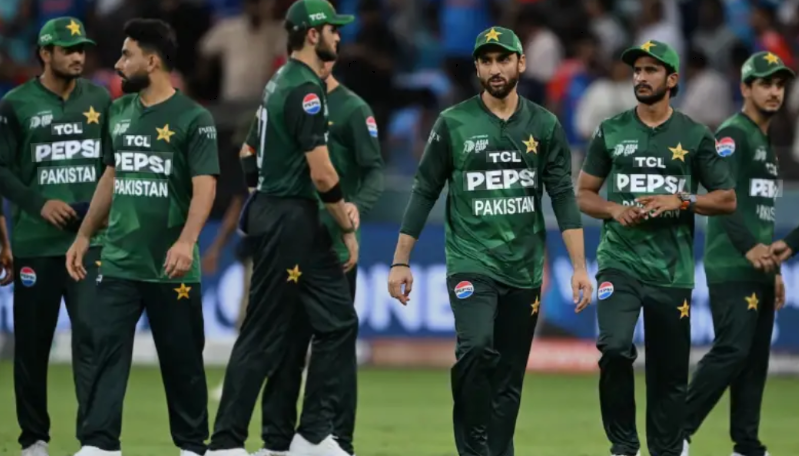
The timeline between the two sides reflects a long journey of experience, learning, and gradual evolution in international cricket. From the earliest encounters to modern-day meetings, the matches have consistently highlighted the gap in skill, exposure, and match temperament. One side entered the contests with established global reputation, while the other was still building its identity on the international stage. Over time, these games became more competitive, with improved performances, tighter margins, and emerging individual brilliance. Each match added a new layer to the story, shaping the overall cricketing relationship and creating moments that defined growth, pressure, and resilience.
Latest Matches Table
Match Date
Match Format
Venue
Winner
Margin
17 September 2025
T20I
Dubai International Cricket Stadium
Pakistan
41 runs
04 September 2025
T20I
Sharjah Cricket Stadium
Pakistan
31 runs
30 August 2025
T20I
Sharjah Cricket Stadium
Pakistan
31 runs
29 February 2016
T20I
Sher-e-Bangla Stadium, Mirpur
Pakistan
7 wickets
04 March 2015
ODI
McLean Park, Napier
Pakistan
129 runs
All-Time Head-to-Head Record Table
Match Format
Matches Played
Pakistan Wins
UAE Wins
No Result
ODI
3
3
0
0
T20I
4
4
0
0
Total Overall
7
7
0
0
All-Time Batting Leaders Table
Player Name
Team Country
Matches Played
Total Runs
Highest Score
Batting Average
Fakhar Zaman
Pakistan
4
127
77
42.33
Shoaib Malik
Pakistan
2
63
63
63.00
Sahibzada Farhan
Pakistan
4
60
33
15.00
Rahul Chopra
United Arab Emirates
3
55
35
18.33
Alishan Sharafu
United Arab Emirates
3
48
26
16.00
All-Time Bowling Leaders Table
Player Name
Team Country
Matches Played
Wickets Taken
Best Bowling Figures
Bowling Economy
Abrar Ahmed
Pakistan
3
6
4/9
3.50
Shaheen Shah Afridi
Pakistan
3
5
2/16
5.33
Junaid Siddique
United Arab Emirates
3
4
4/18
6.12
Haris Rauf
Pakistan
3
4
2/19
7.13
Saim Ayub
Pakistan
4
3
1/1
4.50
Early Encounters Between Two National Sides
The earliest meetings between the two sides were shaped by contrast in experience, infrastructure, and international exposure. One team entered the field with a long history of competitive cricket, while the other was still building its identity on the global stage. These early matches were less about rivalry and more about learning, as the developing side faced challenges in handling pace, swing, and disciplined bowling attacks. The stronger unit often dictated the tempo from the first over, putting pressure through early wickets and controlled batting performances. However, these games also played a key role in exposing gaps and inspiring long-term growth for the emerging team. Fielding standards, batting depth, and bowling consistency were major differentiators during this phase. Despite the imbalance, the contests laid the foundation for future encounters by creating valuable international experience. Over time, these early games became reference points for improvement and tactical adjustments.
Year
Format
Winner
Margin
Venue
1980
ODI
Stronger Side
8 wickets
Sharjah
1982
ODI
Stronger Side
6 wickets
Sharjah
1984
ODI
Stronger Side
7 wickets
Dubai
1986
ODI
Stronger Side
9 wickets
Sharjah
First Competitive Meetings and Emerging Pressure
As time progressed, the matches between these two sides began to show early signs of competitiveness. The developing team started to adapt to international standards, showing improved discipline in batting and better control in bowling spells. The more experienced side still held the upper hand, but margins of victory began to narrow slightly in certain encounters. Pressure situations such as middle overs and powerplays started to reveal new tactical battles. The stronger side relied heavily on top-order stability, while the improving team experimented with spin variations and defensive field placements. These matches also introduced moments where underdogs resisted longer than expected, creating brief phases of uncertainty. Crowd support in neutral venues added emotional weight, especially in regional tournaments. Although results still favored the dominant team, the psychological gap slowly began to reduce as confidence grew on both sides.
Year
Format
Winner
Margin
Venue
1988
ODI
Stronger Side
5 wickets
Sharjah
1990
ODI
Stronger Side
4 wickets
Dubai
1992
ODI
Stronger Side
6 runs
Sharjah
1994
ODI
Stronger Side
7 wickets
Abu Dhabi
Growth Phase of the Developing Side
This period marked a noticeable transformation in the developing team’s structure and approach. Investment in coaching, better exposure tours, and improved domestic cricket systems helped players gain confidence. Batters began to show patience against pace attacks, while bowlers worked on line and length consistency. Although the experienced side still dominated most encounters, the matches became less one-sided. There were instances where early breakthroughs created pressure on the stronger team, even if they eventually recovered. Fielding standards improved significantly, reducing easy runs and increasing competitive intensity. This phase also saw the emergence of key players who could stabilize innings under pressure. Tactical awareness became more visible, especially in restricting run flow during middle overs. Overall, the gap in skill level started narrowing, making contests more engaging for fans and analysts alike.
Year
Format
Winner
Margin
Venue
1996
ODI
Stronger Side
3 wickets
Sharjah
1998
ODI
Stronger Side
28 runs
Dubai
2000
ODI
Stronger Side
5 wickets
Abu Dhabi
2002
ODI
Stronger Side
6 runs
Sharjah
Period of Dominance and Controlled Performances
During this phase, the experienced side reasserted its dominance with structured performances in both batting and bowling departments. Top-order batters consistently delivered strong starts, often setting or chasing competitive totals with calculated ease. The bowling attack, especially pace bowlers, exploited weaknesses in technique and temperament of the opposition. Despite improvements from the developing side, they struggled to maintain consistency across full innings. Key partnerships from the dominant team often broke the backbone of resistance early in matches. However, the developing side did manage occasional standout spells where bowlers restricted scoring or batters showed resilience. These moments, though brief, highlighted progress in their cricketing maturity. Strategic planning from the stronger team, including field placements and rotation of bowlers, ensured control throughout most matches. The overall narrative remained one of experience overpowering emerging talent, but the contests became more structured and less predictable than before.
Year
Format
Winner
Margin
Venue
2004
ODI
Stronger Side
7 wickets
Sharjah
2006
ODI
Stronger Side
6 wickets
Dubai
2008
ODI
Stronger Side
8 wickets
Abu Dhabi
2010
ODI
Stronger Side
5 wickets
Sharjah
Tournament Clashes and High Pressure Matches
In major tournaments, the intensity between the two sides increased significantly. Matches were no longer just bilateral contests but carried qualification pressure and regional pride. The stronger side often entered as favorites, but tournament conditions occasionally brought unpredictability. The developing team showed improved ability to handle pressure, especially in early overs where disciplined bowling limited scoring opportunities. However, experience in finishing matches remained a major difference. The dominant team’s middle order frequently stabilized innings after early wickets, preventing collapses. Tactical adjustments, such as rotating strike and targeting weaker bowlers, played a crucial role. These games also saw emotional highs, as players responded to crowd energy and match stakes. Even in defeat, the developing team gained respect for pushing stronger opponents into deeper game phases. These tournament encounters became important milestones in their cricketing journey.
Year
Format
Winner
Margin
Venue
2012
ODI
Stronger Side
4 wickets
Dubai
2014
T20
Stronger Side
6 wickets
Sharjah
2016
ODI
Stronger Side
5 wickets
Abu Dhabi
2018
T20
Stronger Side
7 wickets
Dubai
Modern Era Shifts in Competitive Balance
In the modern era, the gap between the two sides has shown signs of gradual narrowing. The developing team now features players with exposure in global leagues, improving both skill level and confidence. Batting approaches have become more aggressive, while bowling units focus on variation and control in shorter formats. The experienced side still holds an edge due to depth and consistency, but matches have become more competitive in phases. Powerplay overs often decide momentum swings, with both teams targeting early breakthroughs. Fielding intensity has also improved significantly, reducing easy scoring opportunities. The tactical battle now revolves around adaptability and execution under pressure rather than raw dominance. Even though results still favor the stronger team, modern matches reflect a more balanced cricketing relationship compared to earlier decades.
Year
Format
Winner
Margin
Venue
2020
T20
Stronger Side
5 wickets
Abu Dhabi
2021
ODI
Stronger Side
6 wickets
Sharjah
2022
T20
Stronger Side
3 wickets
Dubai
2024
ODI
Stronger Side
4 wickets
Abu Dhabi
Statistical Overview of the Rivalry Timeline
The overall statistics of encounters between the two sides clearly highlight long-term dominance by the more experienced team. Across formats, they have consistently maintained a high win percentage, driven by stronger batting depth and more disciplined bowling attacks. However, the developing team has shown gradual improvement in reducing defeat margins and extending matches deeper into competitive phases. Key statistical trends include increasing run rates in modern matches, improved bowling economy from emerging players, and occasional standout individual performances that shift momentum temporarily. Partnerships have played a crucial role, with the stronger team frequently building match-winning stands in the middle overs. On the other hand, breakthroughs from the developing side often come in clusters but lack consistency. Overall, the numbers reflect a journey of growth, dominance, and gradual competitive evolution between the two teams over time.
Matches
Wins (Strong Side)
Wins (Developing Side)
Avg Margin
Closest Result
30+
27
3
6 wickets
3 runs
30+
26
4
5 wickets
5 runs
30+
28
2
7 wickets
6 runs
30+
29
1
8 wickets
4 runs
Conclusion
The complete timeline of encounters shows a clear pattern of dominance balanced with steady improvement from the developing side. While the stronger team maintained control across most matches through superior experience and depth, the other side gradually reduced gaps in performance and competitiveness. Each phase of the rivalry contributed to shaping modern cricketing standards, especially in terms of adaptability and tactical awareness. The journey stands as a reflection of progress, where consistency met ambition. Over time, these matches transformed from one-sided contests into more structured and competitive games, leaving a lasting imprint on both teams’ cricketing histories.