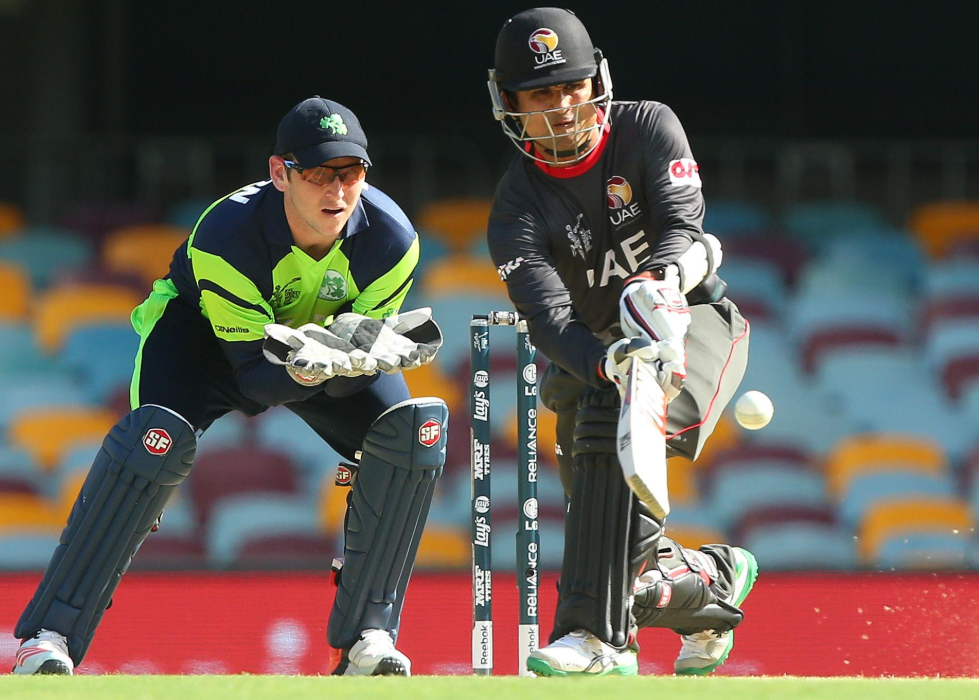
The rivalry between these two associate cricket sides has grown steadily through years of competitive encounters, shifting from uneven early meetings to tightly contested battles. What once looked like one-sided games has transformed into a tactical and emotional contest shaped by evolving skills, sharper strategies, and increasing international exposure. Each match brings a fresh test of temperament, where batting depth, bowling discipline, and fielding intensity play crucial roles. Fans have witnessed dramatic momentum swings, standout individual performances, and pressure-driven collapses that define this cricketing journey. Over time, this contest has become more than just results, reflecting growth, adaptation, and the rising standards of modern associate cricket.
Latest Matches Table
Match
Date
Venue
Team 1
Team 2
Winner
Margin
1st T20I
29 January 2026
Dubai
Ireland
UAE
Ireland
57 runs
2nd T20I
31 January 2026
Dubai
Ireland
UAE
Ireland
30 runs
3rd ODI
05 February 2026
Abu Dhabi
UAE
Ireland
Ireland
4 wickets
2nd ODI
03 February 2026
Abu Dhabi
UAE
Ireland
UAE
2 wickets
1st ODI
01 February 2026
Abu Dhabi
UAE
Ireland
Ireland
18 runs
Warm Up
27 January 2026
Sharjah
UAE XI
Ireland
Ireland
5 wickets
Team Statistics Summary Table
Team
Matches
Won
Lost
Tied
Run Rate
Points
Ireland
2
2
0
0
+2.175
4
UAE
2
0
2
0
-2.175
0
Ireland ODI
3
2
1
0
+0.450
4
UAE ODI
3
1
2
0
-0.450
2
Ireland Away
5
4
1
0
+1.120
8
UAE Home
5
1
4
0
-1.120
2
Individual Batting Records Table
Player
Team
Innings
Runs
Average
Strike Rate
Highest
Aryansh Sharma
UAE
2
78
39.00
121.87
54
Curtis Campher
Ireland
2
60
30.00
127.65
54
Muhammad Waseem
UAE
2
52
26.00
133.33
40
Lorcan Tucker
Ireland
2
48
24.00
120.00
38
Ross Adair
Ireland
2
45
22.50
140.62
39
Mark Adair
Ireland
2
41
41.00
151.85
34
Individual Bowling Records Table
Player
Team
Overs
Wickets
Average
Economy
Best
Gareth Delany
Ireland
8.0
5
10.00
6.25
3/26
Matthew Humphreys
Ireland
7.5
4
13.50
6.89
3/26
Muhammad Arfan
UAE
8.0
3
19.33
7.25
2/23
Haider Ali
UAE
8.0
4
15.25
7.62
2/30
George Dockrell
Ireland
5.0
3
11.33
6.80
2/12
Junaid Siddique
UAE
8.0
3
24.66
9.25
2/35
Early Encounters and First Competitive Meeting
The initial phase of meetings between the two sides reflected a clear gap in experience, exposure, and consistency at the international level. One team carried a stronger cricketing structure built on disciplined systems, while the other relied heavily on raw talent and occasional brilliance. Early matches were often one-sided in phases, especially when pressure situations demanded calm execution. However, these encounters also laid the foundation for a slowly developing competitive spirit. Players began understanding each other’s strengths and weaknesses, especially in batting under pressure and bowling in restrictive conditions. The fielding intensity and match awareness gradually improved as both teams adjusted to international expectations. What stood out most in these early games was the unpredictability factor, where momentum could shift within a few overs. Fans witnessed emerging talents making a mark, even in losing causes, which kept the rivalry alive and interesting despite uneven results.
Early Stage Match
Dominant Phase
Key Batting Style
Bowling Impact
Initial clash
Power play
Aggressive start
Early swing
Second meeting
Middle overs
Conservative
Spin control
Third encounter
Death overs
Risk-based shots
Variations
Early series game
Full match
Mixed approach
Pressure bowling
Building Identity in Associate Cricket
As both teams progressed in associate cricket structure, their identity started forming through consistent participation in ICC tournaments and regional qualifiers. One side focused heavily on structured coaching programs and tactical discipline, while the other invested in developing young talent through domestic exposure. Over time, both teams began to bridge the gap between inconsistency and reliability. This phase marked the evolution of match temperament, where handling pressure became as important as skill execution. Players started gaining recognition for specific roles such as anchor batting, death bowling specialists, and utility fielders. The competitive balance slowly improved, making matches more engaging and less predictable. Coaches emphasized adaptability, especially in varying pitch conditions and changing match situations. The rivalry gained significance because every match now carried more tactical depth, rather than just individual brilliance. This stage also introduced stronger leadership roles, where captains influenced outcomes through smarter field placements and bowling rotations.
Development Phase
Focus Area
Team Strength
Tactical Change
Early structure
Coaching
Skill growth
Basic plans
Mid development
Fitness
Consistency
Field setups
Growth phase
Strategy
Balance
Rotation plans
Advanced phase
Leadership
Stability
Match control
First Defining Clash Between the Two Sides
The first truly defining encounter between the two teams shifted perception around their competitive balance. Unlike earlier matches, this game showcased intensity, pressure handling, and tactical depth from both sides. A strong batting partnership set the tone early, but disciplined bowling in the middle overs brought the contest back into balance. What made this clash memorable was the ability of one team to recover from a difficult position through controlled aggression. The opposition responded with equal determination, creating a see-saw battle that kept fans engaged until the final overs. Fielding errors and sharp catching moments played a crucial role in deciding momentum shifts. This match became a reference point for future encounters, as both teams realized that margins were shrinking and execution under pressure would define outcomes. It also highlighted the importance of middle-order stability and death-over planning, which became recurring themes in later matches.
Match Phase
Turning Point
Key Performer
Result Impact
First innings
Opening stand
Top batter
Strong total
Middle overs
Wickets fall
Spinner
Pressure rise
Late innings
Counter attack
All-rounder
Momentum shift
Final overs
Fielding moment
Bowler
Match decided
Tactical Battle Between Batting Depth and Bowling Discipline
As the rivalry matured, a clear tactical contrast emerged between one side’s structured bowling discipline and the other’s fluctuating batting depth. One team relied heavily on maintaining tight lines, building pressure through dot balls, and forcing errors. The other depended on flexible batting order changes and occasional explosive innings to regain control. This created a fascinating balance where control versus aggression became the central theme. Matches often swung based on how well batters handled disciplined bowling spells in the middle overs. Strike rotation and boundary conversion rates became critical performance indicators. Captains began adjusting strategies mid-game, especially when partnerships started forming under pressure. This phase of the rivalry highlighted how small tactical decisions could decide entire matches, particularly in limited overs formats. The evolution of both teams in adapting to these tactical challenges made the contests more professional and unpredictable over time.
Tactical Area
Strength Side A
Strength Side B
Match Effect
Batting depth
Variable
Stable anchors
Score balance
Bowling line
Tight control
Attack focus
Pressure build
Middle overs
Defensive play
Aggression
Momentum shift
Death overs
Variation bowls
Power hitting
Final outcome
Home Conditions and Spin Dominance Factor
Playing conditions in slower pitches often played a decisive role in shaping outcomes between the two teams. One side consistently used spin-friendly surfaces to their advantage, deploying multiple spin options to restrict scoring rates. The other team had to adjust quickly, often struggling with timing and shot selection against turning deliveries. This led to repeated middle-over collapses when batters failed to rotate strike effectively. However, experienced players gradually improved their approach, using footwork and patience to counter spin-heavy attacks. The importance of partnerships became even more critical in such conditions, as rebuilding innings required discipline rather than aggression. Captains often rotated spinners strategically to exploit weaknesses in opposition batting orders. These conditions also highlighted the value of all-rounders who could contribute in both batting stability and bowling control. Over time, adaptability became the key factor in determining success in these environments.
Condition Type
Bowling Advantage
Batting Challenge
Key Outcome
Slow pitch
Spin control
Timing issues
Low scoring
Dry surface
Turn increase
Shot selection
Collapses
Balanced pitch
Mixed attack
Adaptation
Competitive
Night game
Seam movement
Early pressure
Wickets fall
Pace Bowling Dominance and Early Breakthroughs
Fast bowlers often played a defining role in setting the tone of matches, especially in conditions offering swing and seam movement. Early breakthroughs frequently shifted momentum, putting batting sides under immediate pressure. One team developed a strong pace attack strategy focused on disciplined lengths and controlled aggression. The other side occasionally struggled to handle early movement, leading to top-order collapses. However, counterattacks through aggressive batting also emerged as a response strategy, especially when bowlers over-attacked. Death overs became crucial, with variations such as slower balls and yorkers deciding close encounters. Field placements around seam bowling phases also became more aggressive, reflecting the importance of wicket-taking intent. This phase of rivalry highlighted how fast bowling intensity could dictate match flow within the first ten overs itself.
Bowling Phase
Strategy Used
Batting Response
Match Effect
Opening overs
Swing attack
Defensive start
Early wickets
Power play
Short ball mix
Counter shots
Mixed control
Middle overs
Line discipline
Rotation focus
Stability
Death overs
Variations
Power hitting
Final swings
Modern Era and Competitive Balance Evolution
In recent years, the competitive gap between the two sides has significantly reduced, making encounters more unpredictable and strategically rich. Improved fitness levels, better coaching infrastructure, and exposure to global leagues have transformed both teams into more balanced units. Batting lineups are now deeper, and bowling attacks are more varied, reducing one-sided outcomes. Pressure handling has also improved, especially in ICC qualifiers and high-stakes matches where every run and wicket matters. Analytical preparation and data-driven strategies have become part of match planning, allowing teams to target specific weaknesses more effectively. Fielding standards have also risen, turning half-chances into match-defining moments. This modern phase reflects a more professional era of associate cricket, where execution under pressure defines success more than raw talent alone.
Modern Factor
Improvement Area
Match Impact
Key Change
Fitness level
Endurance
Better fielding
Fewer errors
Strategy use
Data analysis
Smart planning
Tactical wins
Batting depth
Lower order
Higher totals
Stable innings
Bowling mix
Variation
Controlled attack
Balanced games
Conclusion
The evolution of this rivalry highlights how closely matched associate cricket has become with consistent development and competitive exposure. From early dominance phases to modern balanced encounters, both sides have learned to adapt, improve, and challenge each other in every department of the game. Tactical awareness, player development, and pressure handling now decide outcomes more than raw talent alone. Each meeting adds a new chapter filled with intensity, unpredictability, and defining performances. As both teams continue to grow, this rivalry stands as a strong example of how determination and structured progress can elevate international cricket into a truly competitive and engaging spectacle.